Freelance Web Developer · India & Worldwide

Business Website Developer in India | Custom Web Development

A successful commercial website must clearly articulate what your business does, build undeniable buyer trust, and guide visitors smoothly toward taking action. Rather than relying on generic page builders or bloated pre-made templates, I design and engineer custom business websites built around real customer questions, search intent, and measurable commercial conversions.

Business websites need clear, frictionless pathways from search discovery to qualified enquiry, not merely decorative visuals.

Website UX planning with wireframes and laptop during a design workshop
Illustrative engineering visual. Photo by UX Indonesia / Unsplash.

The Commercial Challenge

Solve the real business problem before adding technical complexity.

Most business websites underperform because of unclear value propositions, sluggish mobile loading times, convoluted navigation hierarchies, and enquiry forms that fail to capture qualified leads. Visitors leave within three seconds if they cannot immediately ascertain what you offer, why your company is trustworthy, and how to get in touch. My development methodology eliminates visual noise and structural friction, focusing relentlessly on clean information hierarchy, rapid page delivery, and seamless conversion pathways.

True digital success requires aligning your technical architecture with authentic buyer psychology. Every page element must justify its existence by answering customer questions, validating authority, or clarifying the next commercial step.

Strategic Engineering Foundations

The technical decisions that dictate your outcome

These are the architectural decisions that must be established before writing code. Getting these fundamentals right protects your brand against performance degradation, technical debt, and search ranking drops.

Smartphone mobile responsive interface testing across various screen resolutions
Illustrative engineering visual. Photo by Rami Al-zayat / Unsplash.
ENGINEERING PRINCIPLE 01

Strategic Information Architecture and Conversion Psychology

Every successful business website begins with a rigorous audit of customer psychology and decision-making journeys. When prospective buyers arrive from a Google search, they immediately evaluate three fundamental criteria within seconds: whether your service solves their exact problem, whether your business possesses verifiable authority and competence, and how easily they can initiate contact. I design information hierarchies that answer these critical questions progressively, placing prominent value propositions above the fold and supporting them with transparent service scopes, contextual proof points, and friction-free inquiry triggers.

ENGINEERING PRINCIPLE 02

Mobile-First Responsive Engineering and Touch Usability

Over 65% of commercial B2B and consumer web traffic now originates on mobile smartphones. A layout that appears breathtaking on a desktop monitor can fail catastrophically on a handheld device if tap targets are clustered too tightly, font sizes force zooming, or complex navigation menus frustrate navigation. I engineer websites using fluid CSS flexbox and grid algorithms, rigorous viewport breakpoint testing, accessible touch targets, and lightweight asset loading to deliver an effortless, native-feeling mobile experience.

ENGINEERING PRINCIPLE 03

Technical Search Engine Crawlability and Schema Architecture

A visually stunning website generates zero commercial value if search engine crawlers cannot index and contextualize its content. My development standard enforces clean semantic HTML5 landmarks (main, nav, article, section), descriptive heading hierarchies (single H1 with logically nested H2 and H3 elements), zero render-blocking JavaScript dependencies, pre-rendered static HTML, and automated Schema.org structured data (WebPage, Service, BreadcrumbList, and FAQPage graphs) that enable Google to display rich snippets directly in search engine result pages.

ENGINEERING PRINCIPLE 04

Core Web Vitals Optimization and Edge Asset Delivery

Page delivery speed is both a vital search ranking signal and a primary driver of user engagement. Slow server response times or layout shifts create immediate bounce rates. By leveraging modern asset pipelines, next-generation image compression (WebP and AVIF), HTTP/2 multiplexing, asynchronous script execution, and global edge network caching, my builds reliably clock sub-500ms initial response times and score 95+ on Google PageSpeed Insights.

ENGINEERING PRINCIPLE 05

Security Hardening, Spam Mitigation, and Automated Uptime Telemetry

A commercial website is an active asset that must remain secure and functional around the clock. Form spam, malicious bot crawlers, and automated penetration scripts can overload servers and flood your inbox with junk leads. I implement comprehensive security defenses: invisible reCAPTCHA / Cloudflare Turnstile bot challenges on contact endpoints, strict HTTP security headers (Content Security Policy, X-Frame-Options, Strict-Transport-Security), automated rate-limiting, and 24/7 uptime monitoring with instant alert notifications if server response latencies ever spike.

Business website
Illustrative workflow
1Service pages
2Lead capture
3CRM follow-up

Original explanatory diagram — not a finished client project or system screenshot.

Example system flow for business website.
Full-Stack Architecture

Engineered for speed, security, and long-term maintainability

Architecture choices depend on the service, business processes, security requirements, and budget. I plan the data flow, content model, integrations, and maintenance responsibilities before selecting a stack.

Type-Safe Codebase

End-to-end TypeScript catches many interface mismatches during development, but runtime validation and testing remain essential.

Edge Infrastructure

CDN caching can reduce delivery latency for suitable content, subject to origin performance and user network conditions.

Mobile-First Usability

Frictionless experience across every handheld viewport

For many buyers, the phone is their first interaction with a business. The layout should adapt to small screens, maintain readable typography, provide comfortably sized touch targets, and make essential tasks easy to complete.

  • Fluid Typography & Layouts: Dynamic viewport scaling eliminates disruptive zooming and truncated text.
  • Touch Ergonomics: Action buttons and input fields positioned within natural one-handed thumb reach zones.
  • Cross-Device Validation: Test important journeys across iOS Safari, Android Chrome, and relevant tablet breakpoints before launch.
Business website
Illustrative workflow
1Find the service
2Check expertise
3Request a quote

Original explanatory diagram — not a finished client project or system screenshot.

Example mobile user journey for business website.

Strategic Alignment

Which approach fits your commercial goals?

Selecting the right development partner depends on your business stage, technical complexity, and long-term marketing objectives. Here is how to evaluate your path:

Established B2B Firm or Service Company

You need an authoritative website that builds credibility, explains complex services, and captures high-value qualified sales enquiries.

My recommendation: Opt for a custom Next.js or headless CMS build with a structured multi-page information architecture, case study library, and technical SEO foundation.

Local Service or Regional Enterprise

You rely on telephone calls, WhatsApp bookings, local map visibility, and direct customer trust within specific geographic markets.

My recommendation: Choose a fast, mobile-first website with prominent contact triggers, location landing architecture, and Google Business Profile schema synchronization.

Venture-Backed Startup or Rapid-Growth Brand

You require rapid iteration, high-converting product landing pages, investor credibility, and seamless integration with your CRM and analytics tools.

My recommendation: Build a scalable Next.js and Tailwind CSS website with modular UI blocks, enabling your marketing team to launch new campaigns rapidly.

A commercial website should be an active sales asset that pays for itself through qualified client acquisition, not an ongoing technical headache.

Scope of Work

Comprehensive deliverables included in this service

Information Architecture & Strategic Wireframing

Comprehensive planning of page structure, navigation flow, and visual content hierarchy tailored to real customer search queries and buying objections.

Custom Responsive Frontend Engineering

Carefully detailed, lightweight responsive layouts crafted with Next.js, React, and Tailwind CSS that render reliably across mobile smartphones, tablets, and high-resolution desktop displays.

Search Engine Foundation & Technical SEO

Complete on-page technical optimization including semantic HTML5 structure, descriptive heading hierarchies, Open Graph previews, XML sitemaps, and Schema.org structured data markup.

High-Converting Lead Capture Funnels

Frictionless contact forms, interactive enquiry workflows, WhatsApp chat integrations, and calendar booking systems with automated spam protection and validation.

Core Web Vitals & Speed Optimization

Server response optimization, appropriate asset formats, and reduced JavaScript to work toward good Core Web Vitals, verified through testing.

Production Deployment & Carefully Planned Migration

Seamless domain configuration, SSL certificate deployment, 301 redirect mapping for legacy URLs, and complete client handover documentation with ongoing technical support.

Engineering Process

How your project progresses from kickoff to launch

PHASE 01

Discovery & Commercial Scope Alignment

We analyze your business objectives, target audience demographics, competitive landscape, and primary conversion goals to establish a clear architectural roadmap.

PHASE 02

Wireframing & UX Architecture

Developing intuitive wireframe schematics and responsive page prototypes, validating information hierarchy and key call-to-action touchpoints before writing production code.

PHASE 03

Modular Engineering & Integration

Building the entire website with clean, modular TypeScript and React components, integrating dynamic content management, APIs, and analytics hooks.

PHASE 04

Rigorous Cross-Device QA & Launch

Executing comprehensive automated and manual testing across major browsers, mobile devices, screen resolutions, and network conditions before executing a reliable production launch.

Business website
Illustrative workflow
LCP
≤ 2.5s
Loading
INP
≤ 200ms
Interaction
CLS
≤ 0.1
Stability

Google's good Core Web Vitals thresholds, not measured scores or promised client results.

Performance review checklist for business website.
Core Web Vitals Optimization

Performance measured against Core Web Vitals

Loading, responsiveness, and visual stability affect usability. I review render-blocking resources, image delivery, caching, JavaScript execution, and layout stability, then test results on actual devices and with field data when available. No score or conversion lift is guaranteed.

≤ 2.5s
LCP Target
≤ 0.1
CLS Target
≤ 200ms
INP Target
Enterprise Security Standards

Security, privacy, and operational resilience

Security requirements depend on the platform and the information it handles. A careful implementation considers encryption, permission checks, input validation, dependency updates, recovery planning, and practical testing:

Encrypted Communication & SSL

Automated SSL/TLS cryptographic certificates, strict HTTPS enforcement, HSTS headers, and secure cookie flags protecting all visitor interactions and transactions.

Defense Against Web Exploits

Input validation, output encoding, appropriate access controls, and framework protections help reduce risks such as injection, XSS, and CSRF. Security still requires ongoing review.

Automated Off-Site Backups

Backups, restoration checks, and recovery procedures should be planned according to the project’s hosting, data criticality, and agreed support scope.

Investment Factors

What shapes the project budget and timeline?

Fixed pricing without an architectural brief is misleading. The primary factors that influence scope and investment for this service include:

  • Total number of unique page templates, custom landing pages, and content taxonomy depth
  • Custom interactive features such as multi-step quotation calculators or booking integrations
  • Copywriting, technical editorial guidance, and bespoke photography or asset production
  • Legacy website content migration and complex 301 URL redirect mapping requirements

Questions we cover on the discovery call

  1. 01What is the single most important action you want a first-time website visitor to take?
  2. 02Which specific customer objections or questions does your sales team spend the most time answering?
  3. 03Who within your organization will be responsible for reviewing and publishing ongoing updates?
  4. 04What is your target launch date, and are there specific marketing campaigns tied to this release?
Schedule a discovery consultation

Important Considerations

Essential factors worth discussing upfront

  • Sustainable organic search traffic requires authoritative, helpful content and established credibility in addition to clean technical code; ethical developers never guarantee specific Google ranking positions.
  • Preserving existing URL structures and establishing permanent 301 redirects for modified paths is mandatory during website redesigns to protect accumulated domain equity.
  • Project timelines vary based on scope complexity, custom functional requirements, and client feedback cycles, typically spanning 2 to 5 weeks from kickoff to production deployment.
  • Clear ongoing maintenance schedules and scheduled security audits ensure long-term stability and platform reliability as your business scales.

Frequently Asked Questions

Answers to common client questions

Can you redesign our existing business website without losing our current search rankings?

Yes. A critical part of any redesign is conducting a comprehensive pre-launch audit of all currently indexed URLs, high-ranking landing pages, and backlink targets. I preserve existing URL permalinks wherever practical and engineer precise 301 redirect maps for any updated paths, ensuring that search engines transfer accumulated authority seamlessly to the new structure.

What technologies do you use to develop custom business websites?

I primarily build modern web platforms using Next.js (React), TypeScript, Tailwind CSS, and headless content management systems (such as Sanity, Strapi, or headless WordPress). This approach can support fast delivery and flexible design, but real performance and security depend on implementation, hosting, and ongoing maintenance.

Will our website be fully responsive across all mobile devices and screen sizes?

Absolutely. Every website is engineered from a mobile-first philosophy, utilizing responsive CSS grid systems and fluid typography. We rigorously test layouts across Apple iOS and Android smartphones, tablets, laptops, and ultra-wide desktop monitors to ensure seamless navigation, accessible touch targets, and rapid interactive responsiveness.

How does custom website development compare to using WordPress themes or Wix?

Pre-built WordPress themes and DIY website builders often ship with thousands of lines of unused JavaScript, heavy stylesheets, and vulnerable third-party plugins that degrade page load speeds and compromise security. Custom development delivers bespoke, clean code containing only what your business requires—which can improve maintainability, crawlability, and design differentiation when implemented carefully that sets you apart from competitors.

What is your typical project timeline from initial kickoff to live launch?

A focused business website typically requires 2 to 4 weeks, while larger enterprise websites with extensive service offerings, custom calculator tools, or dynamic CMS collections require 4 to 6 weeks. Every phase includes defined milestones, transparent progress updates, and structured review sessions.

Do you provide ongoing maintenance and post-launch technical support?

Yes. Following launch, I provide dedicated post-launch monitoring, warranty support, performance tuning, and structured ongoing maintenance plans covering security updates, content updates, CMS patches, and search engine optimization enhancements.

What is your approach to technical SEO and Google indexation for new websites?

Technical SEO is engineered directly into the foundation rather than treated as an afterthought. I implement clean semantic HTML5 markup, strict single-H1 heading hierarchies, automated canonical tag generation, comprehensive Schema.org JSON-LD graphs (WebPage, Service, BreadcrumbList, and FAQPage), fast XML sitemaps, and robots.txt directives. Assets are compressed to modern WebP formats and scripts are deferred to achieve sub-second response times, ensuring Googlebot can crawl and understand your pages effortlessly.

How do we handle domain setup, business email, and SSL certificate deployment?

I assist with all DNS configurations, domain record linking (A records, CNAMEs, TXT records), automated HTTPS SSL certificate deployment, and integration with professional business email providers (Google Workspace, Microsoft 365, or Zoho Mail). SPF, DKIM, and DMARC security records are configured properly so your outbound business emails have appropriate authentication, although inbox placement cannot be guaranteed.

Prepare for a Productive Brief

What you should have ready

  • Document 3 to 6 core commercial services and target buyer personas
  • Collect genuine client testimonials, credentials, and work samples authorized for publication
  • Define primary conversion mechanisms (WhatsApp direct chat, multi-step booking form, or phone call)
  • Establish ownership of corporate domain, DNS records, and analytics access credentials
  • Formulate ongoing content publishing and administrative maintenance responsibilities

Outcomes to Measure

How to evaluate project success

A website should be evaluated against the concrete commercial goals agreed at kickoff:

  • Verified contact form submissions, phone call taps, and WhatsApp consultation initiations
  • Google PageSpeed Insights Core Web Vitals passing status across both mobile and desktop
  • Organic search landing page impressions and keyword ranking progression in Google Search Console
  • Average user session duration and reduced bounce rates on primary commercial landing pages

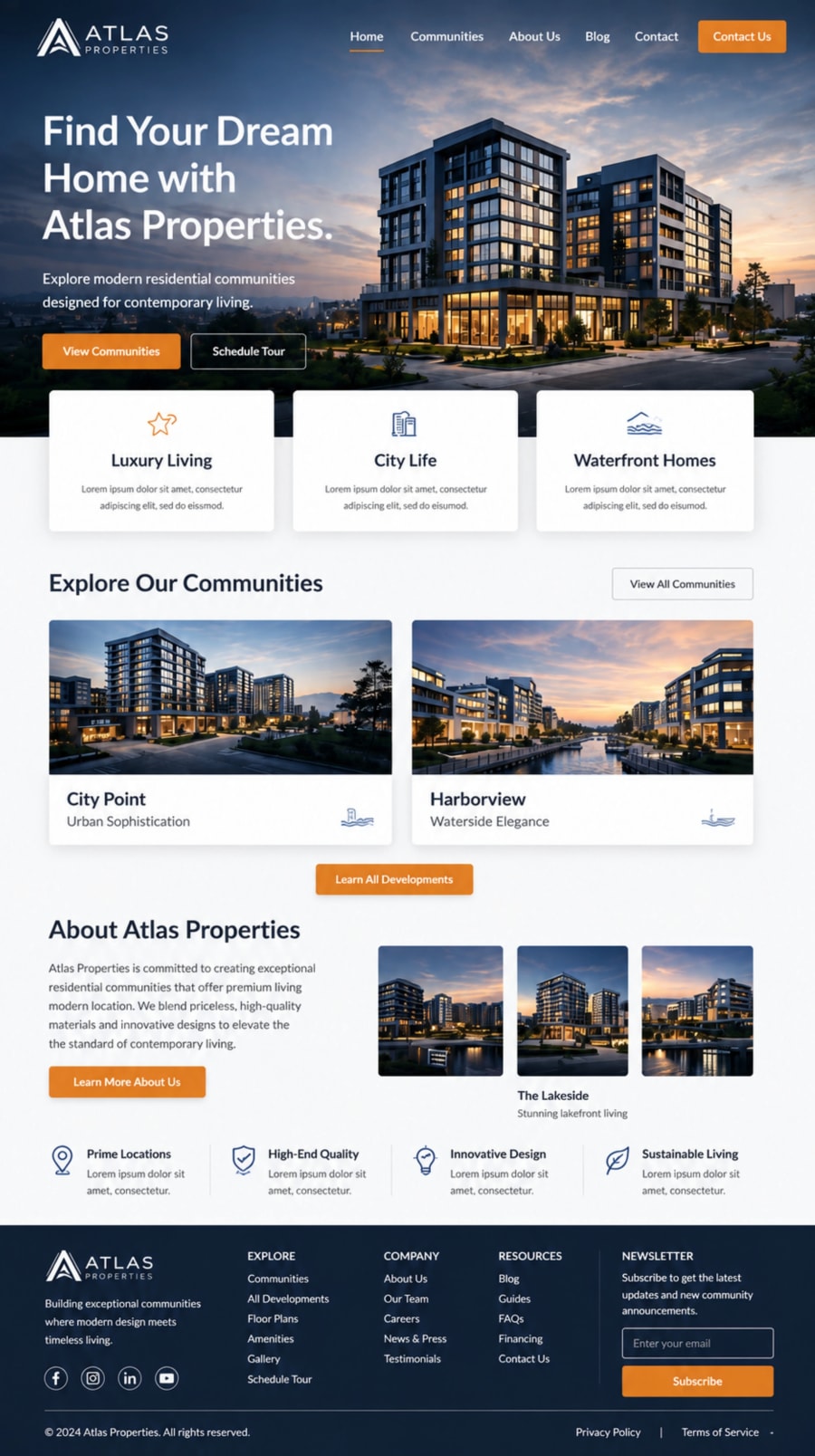
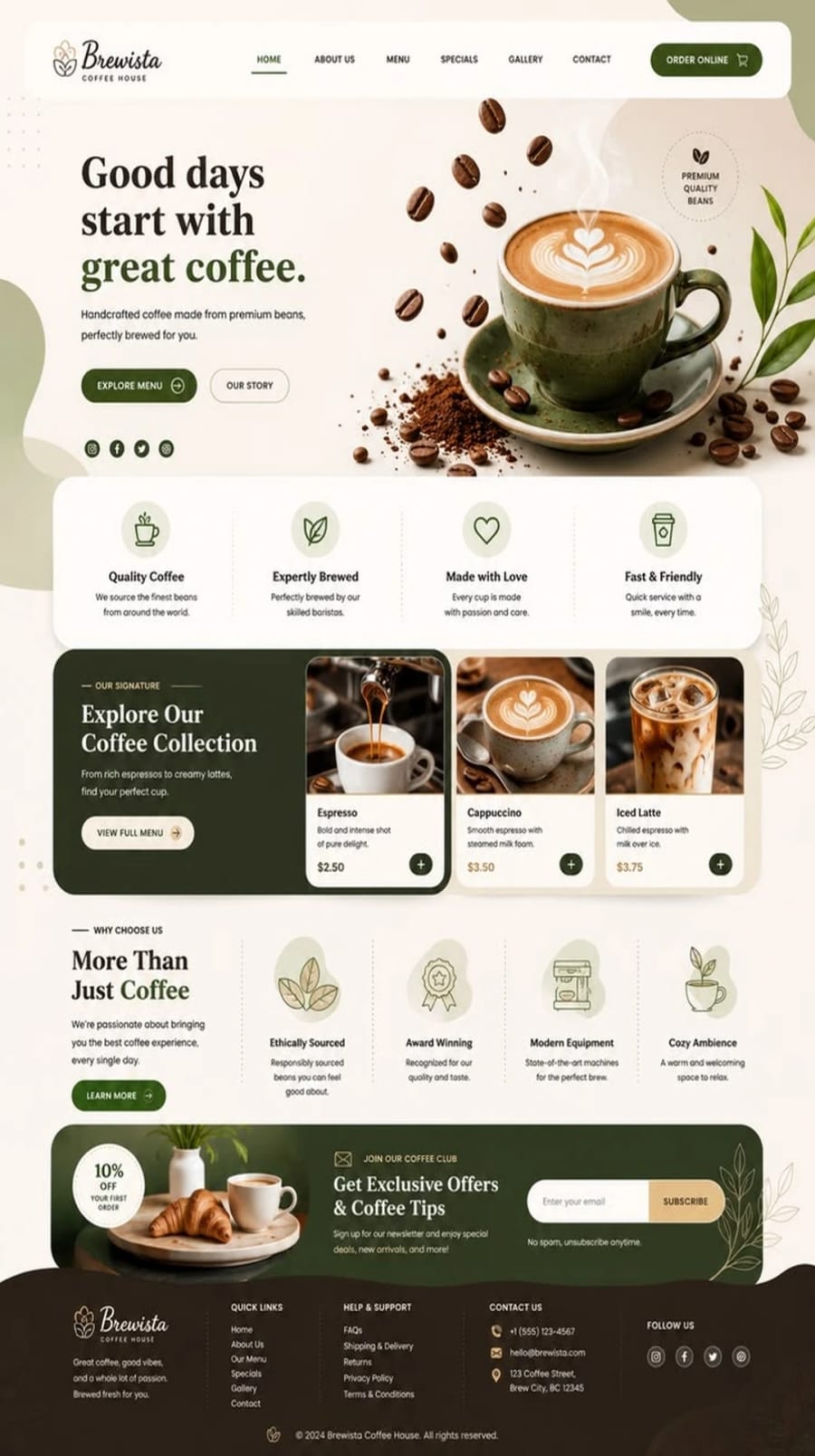
Visual examples

Selected design explorations

Real artwork from the portfolio's concept library—not paid-client case studies, measured projects or live sites.

Swipe concepts ➔Browse all concepts

Related In-Depth Guides

Direct Senior Consultation

Book a Free Consultation for Website Development

Discuss your architectural requirements directly with senior developer Kartavya Agarwal. Fixed transparent pricing (₹14,999 to ₹24,999), 1-year free support & hosting, and 4–10 days turnaround.

Response within 4 Hours ₹14,999 – ₹24,999 Fixed Pricing 1-Year Free Support Included
Get a Website Quote

🔒 100% confidential. No spam, no marketing newsletters, and zero agency account manager markups.

Initiate Your Project

Ready to build a high-performing website?

Share your target goals, current platform URL, and functional requirements. I will provide a practical architectural review and transparent scope.

Explore All Engineering Services